
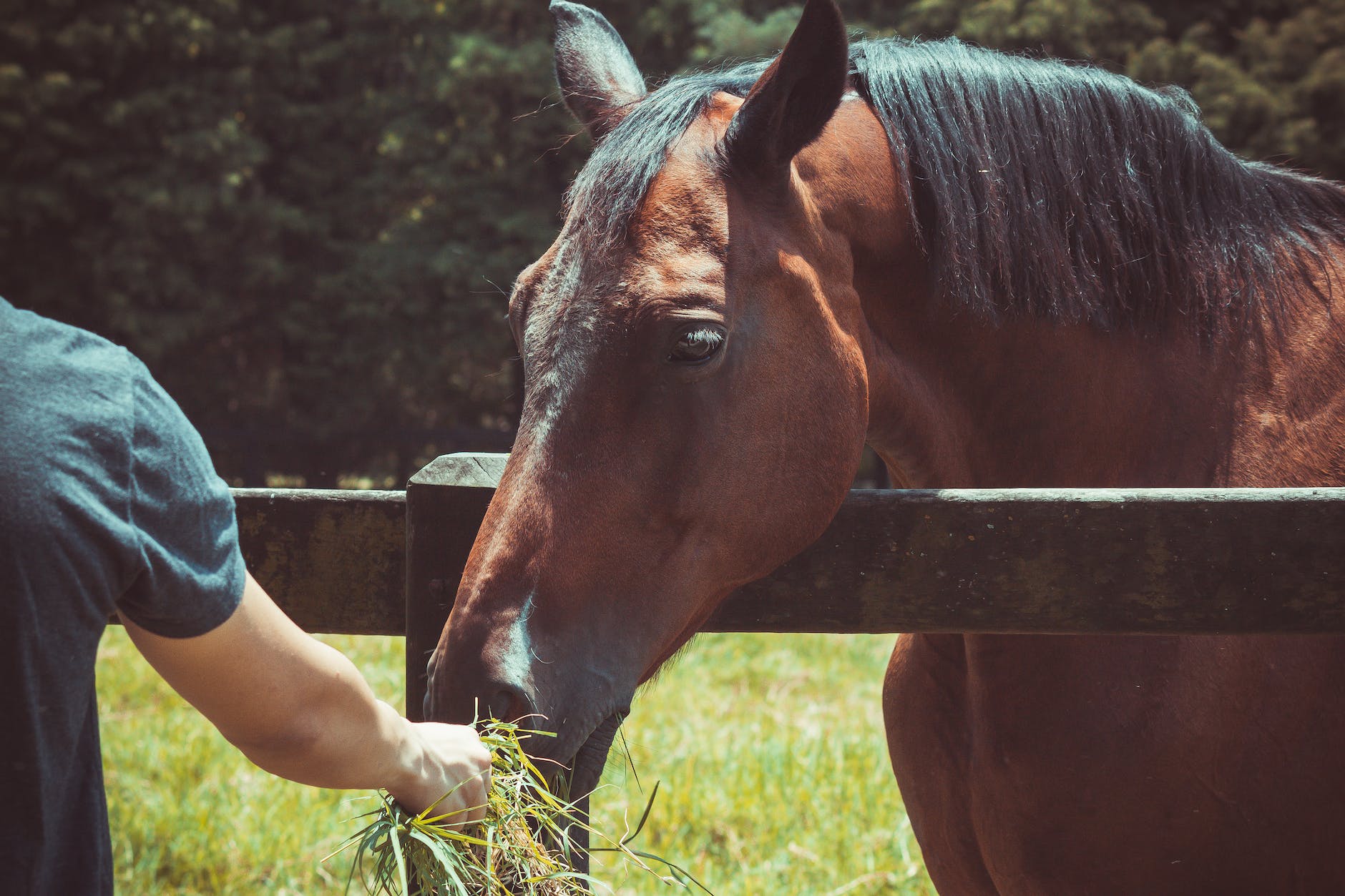
Feeding a horse is an important part of horse ownership. Horses are herbivores, meaning they need a diet of hay, grass, and other plant-based foods to stay healthy. But how much does it cost to feed a horse? In this blog post, we’ll explore the cost of feeding a horse, as well as the different methods of feeding and the expectations associated with each.
Background Information
Horses are large animals, and they require a lot of food to stay healthy. The amount of food a horse needs depends on its size, age, and activity level. Generally, an adult horse needs about 2-2.5% of its body weight in hay or grass per day. For example, a 1,000-pound horse would need 20-25 pounds of hay or grass per day.
In addition to hay or grass, horses also need a balanced diet of vitamins and minerals. This can be provided in the form of a commercial feed, which is a mix of grains, vitamins, and minerals. The amount of feed a horse needs depends on its size, age, and activity level, but it is usually around 1-2% of its body weight per day.
Types of Fodder
There are several different types of horse fodder, each with its own associated costs and expectations. Here are some of the most common methods:
Hay
Hay is the most common form of horse feed. It is usually made from grasses such as timothy, orchard grass, and brome. Hay is usually sold in bales, and the cost varies depending on the type and quality of hay. Generally, a bale of hay costs between $5 and $20.
Expectations: Hay should be fresh and free of mold or dust. It should also be free of weeds and other foreign objects.
Grass
Grass is another common form of horse feed. It is usually grown in pastures, and the cost varies depending on the type and quality of grass. Generally, a bale of grass costs between $2 and $10.
Expectations: Grass should be fresh and free of weeds and other foreign objects.
Commercial Feed
Commercial feed is a mix of grains, vitamins, and minerals. It is usually sold in bags, and the cost varies depending on the type and quality of feed. Generally, a bag of commercial feed costs between $10 and $30.
Expectations: Commercial feed should be fresh and free of mold or dust. It should also be free of foreign objects.
Supplements
Supplements are an additional form of horse feed. They are usually sold in the form of powders, liquids, or pellets, and the cost varies depending on the type and quality of supplement. Generally, a bag of supplement costs between $10 and $50.
Expectations: Supplements should be fresh and free of mold or dust. They should also be free of foreign objects.
Specific Examples
Here are examples of how much it costs to feed different kinds of horse:
| Animal | Cost |
|---|---|
| 1,000-Pound Horse | $25-$50 |
| 500-Pound Horse | $12.50-$25 |
Let’s look at a few specific examples of how much it costs to feed a horse.
1,000-Pound Horse
For a 1,000-pound horse, you would need 20-25 pounds of hay or grass per day, and 1-2% of its body weight in commercial feed per day. This would cost approximately $25-$50 per day, or $750-$1,500 per month.
500-Pound Horse
For a 500-pound horse, you would need 10-12.5 pounds of hay or grass per day, and 1-2% of its body weight in commercial feed per day. This would cost approximately $12.50-$25 per day, or $375-$750 per month.
Did You Know?
Did you know that horses need access to fresh water at all times? Horses should have access to a minimum of 5 gallons of water per day. This can be provided in the form of a water trough or bucket.
Tips
Here are some tips for feeding your horse:
- Make sure to provide your horse with a balanced diet of hay, grass, and commercial feed.
- Provide your horse with access to fresh water at all times.
- Check your horse’s feed for mold, dust, weeds, and other foreign objects.
- Provide your horse with supplements as needed.
TLDR: How Much Does It Cost to Feed a Horse?
Feeding a horse is an important part of horse ownership. The cost of feeding a horse depends on its size, age, and activity level, as well as the type and quality of feed. Generally, it costs between $5 and $50 per day, or $375 and $1,500 per month. It is important to provide your horse with a balanced diet of hay, grass, and commercial feed, as well as access to fresh water and supplements as needed.
By following these tips, you can ensure that your horse is getting the nutrition it needs to stay healthy and happy.